

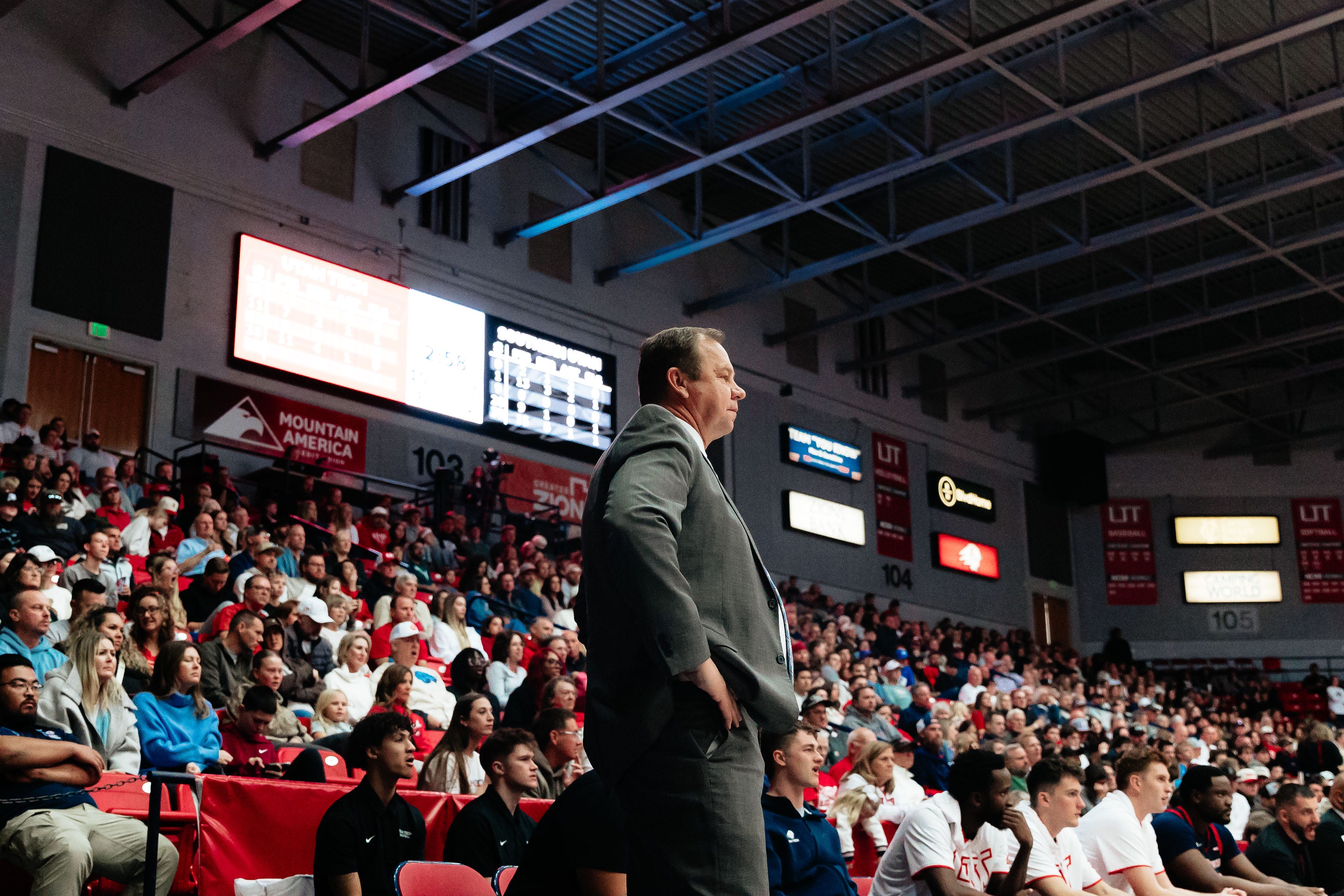
Jon Judkins doesn’t spend much time counting things anymore.
Not wins. He has 635 of them as a head coach. 351 of those have during his tenure as head coach at Utah Tech.
Not seasons. Judkins is in his 33rd season as a head coach dating back to 1992-93 when he began his career at the junior college level at Snow College in Ephraim, Utah.
Not games. 1,003 of them and still going strong.
As he approached his 1,000th career game as a head coach on Jan. 23, 2026, when Utah Tech faced off against California Baptist, the milestone seemed to matter far more to everyone else than it did to him.
He acknowledged it when asked, then shifted the conversation back to preparation—what was coming next, what still needed fixing, what details might decide the next forty minutes.
“I don’t even think about the 1,000 games,” Judkins said. “I don’t think about wins either. I want to win every game I coach, but right now I’m just focused on the next one. When it’s all over, then it’ll be fun to look back.”
That mindset isn’t false humility. It’s habit. After more than three decades on the sideline, Judkins has trained himself to stay forward-facing. Reflection can wait. There’s always another practice, another group of players, another chance to get it right.
It’s the reason he’s still here.
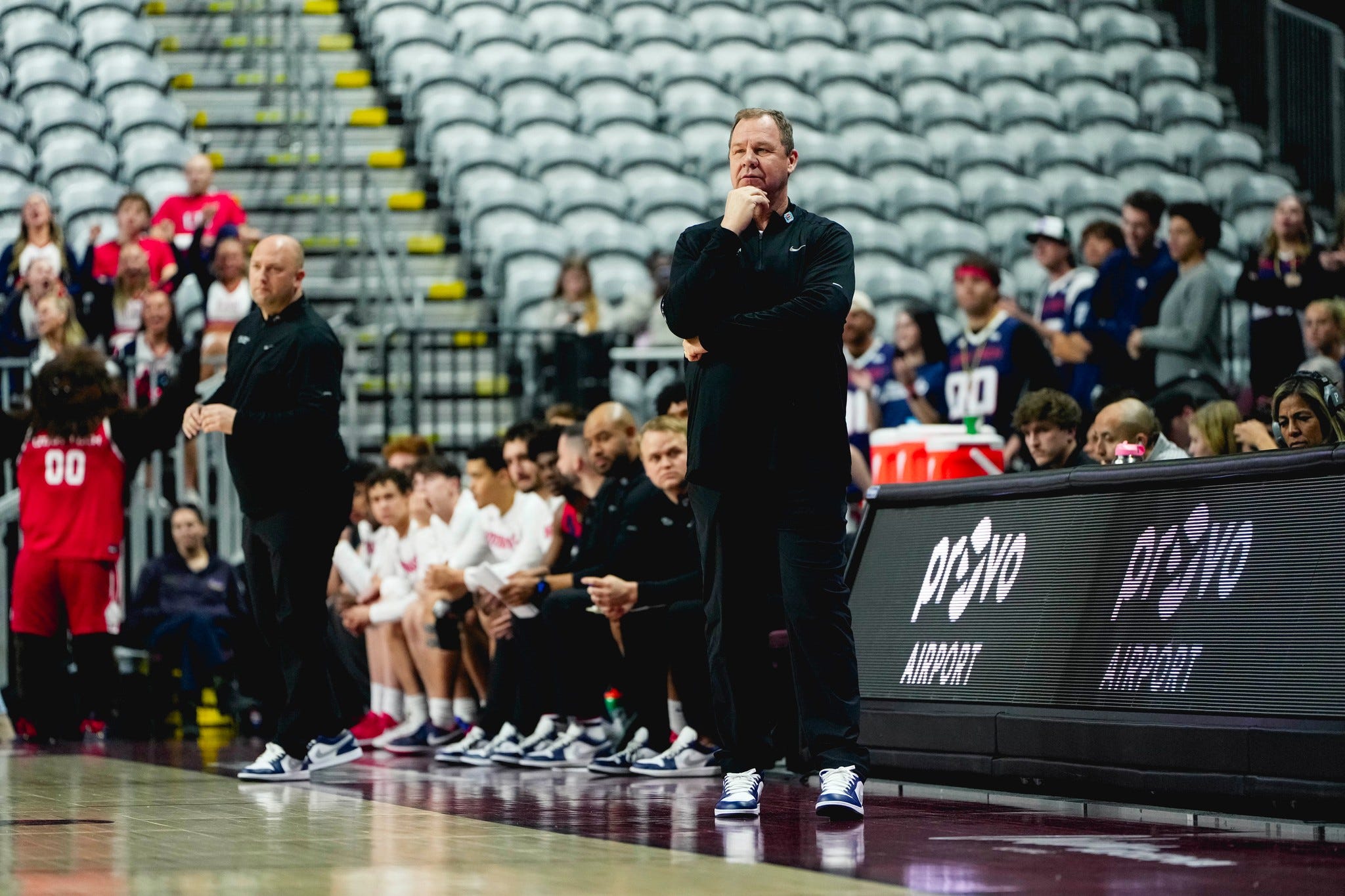
Coaching Wasn’t the Dream — It Became the Work
Judkins didn’t grow up imagining himself as a coach. Like most kids who loved basketball, he wanted to play. Coaching felt distant, almost accidental.
“I never really thought about coaching at all,” he said. “I figured I’d go into sales like my dad. That’s what my brothers were doing. Coaching wasn’t something I planned on.”
College changed that, slowly. At Utah State, basketball became more than a game. Film sessions stretched longer. Conversations went deeper. Coaches talked about preparation and details in ways Judkins hadn’t experienced before.
During his junior year—when he wasn’t playing as much as he hoped—he started paying attention differently.
“I knew I was probably going to coach,” he said. “So I took a notebook and started writing stuff down. I was trying to learn everything I could, trying to understand the game better.”
That instinct—to study, to prepare, to keep learning—never left him. When the chance to play overseas required leaving his wife behind, the path became clearer
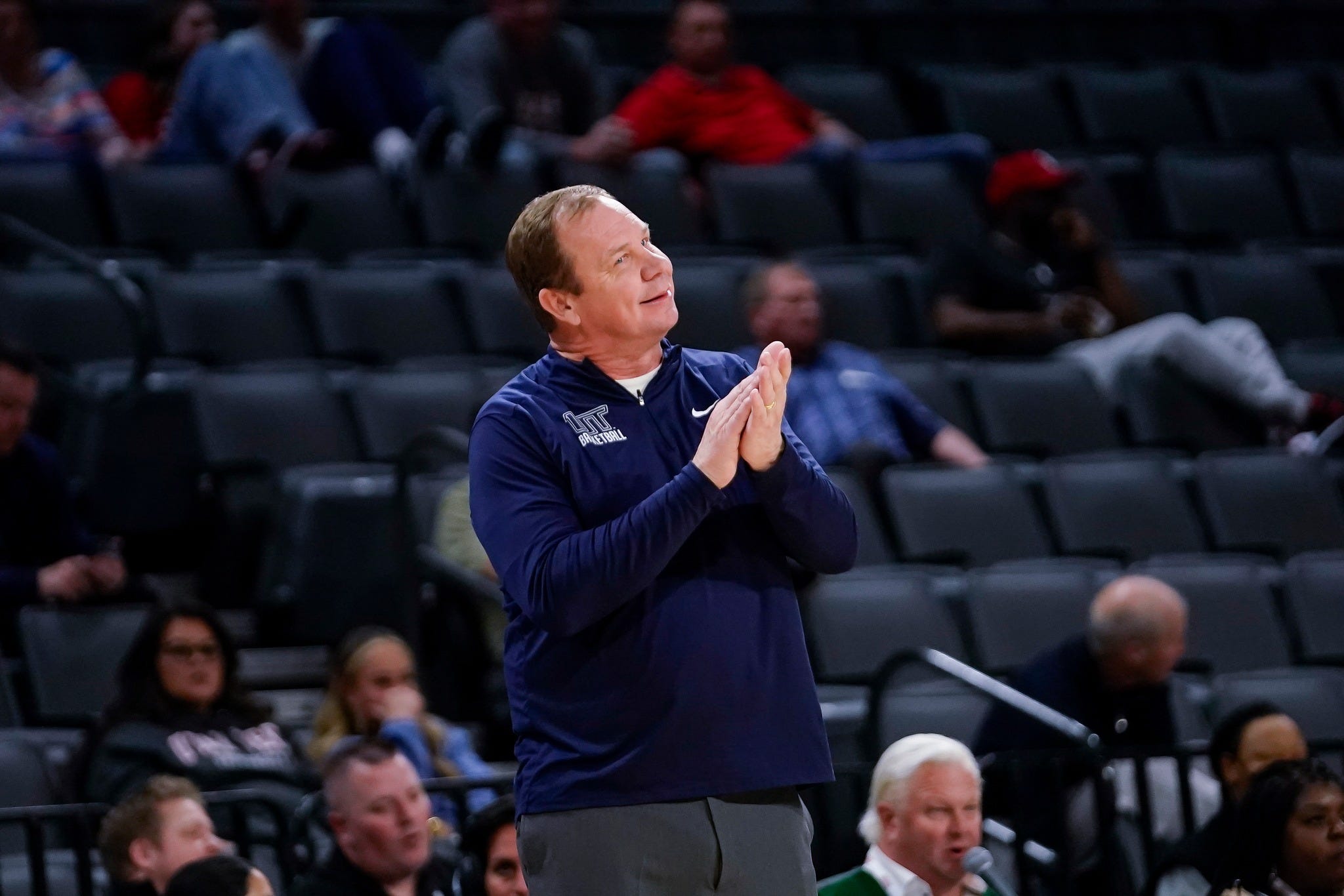
“They wanted me to leave my wife at home and go,” he said. “I just wasn’t going to do that.”
His wife Lanette knew it would be tough but considering she had waited for him before, she figured if he had gone to Europe to play, she could handle it.
“I did wait for him while he was on his mission,” Lanette said. “So I think I could have waited while he went to play for a little bit.”
Coaching offered something else: continuity, purpose, and the chance to build something that lasted longer than a contract.
“That really was his choice — not to go overseas — and it was a blessing.”
Staying When Leaving Was Easier
Judkins’ career is defined by a choice he made repeatedly: he stayed.
He stayed 16 years at Snow College.
He stayed through the early uncertainty of Division II basketball at Dixie State, now Utah Tech.
Judkins and the Trailblazers then made the jump to Division I—a transition complicated by COVID, NIL, and a transfer portal that reshaped the profession almost overnight.
“I didn’t want to chase jobs,” Judkins said. “I didn’t want to be one of those guys where every year it’s, ‘Where are you going next?’ I wanted to build something and get it where it needed to be.”
That approach runs against the current of modern coaching, where movement is currency and patience is rare. Judkins understands that reality. He’s watched colleagues bounce from job to job. He’s felt the temptation himself.
But building mattered more.
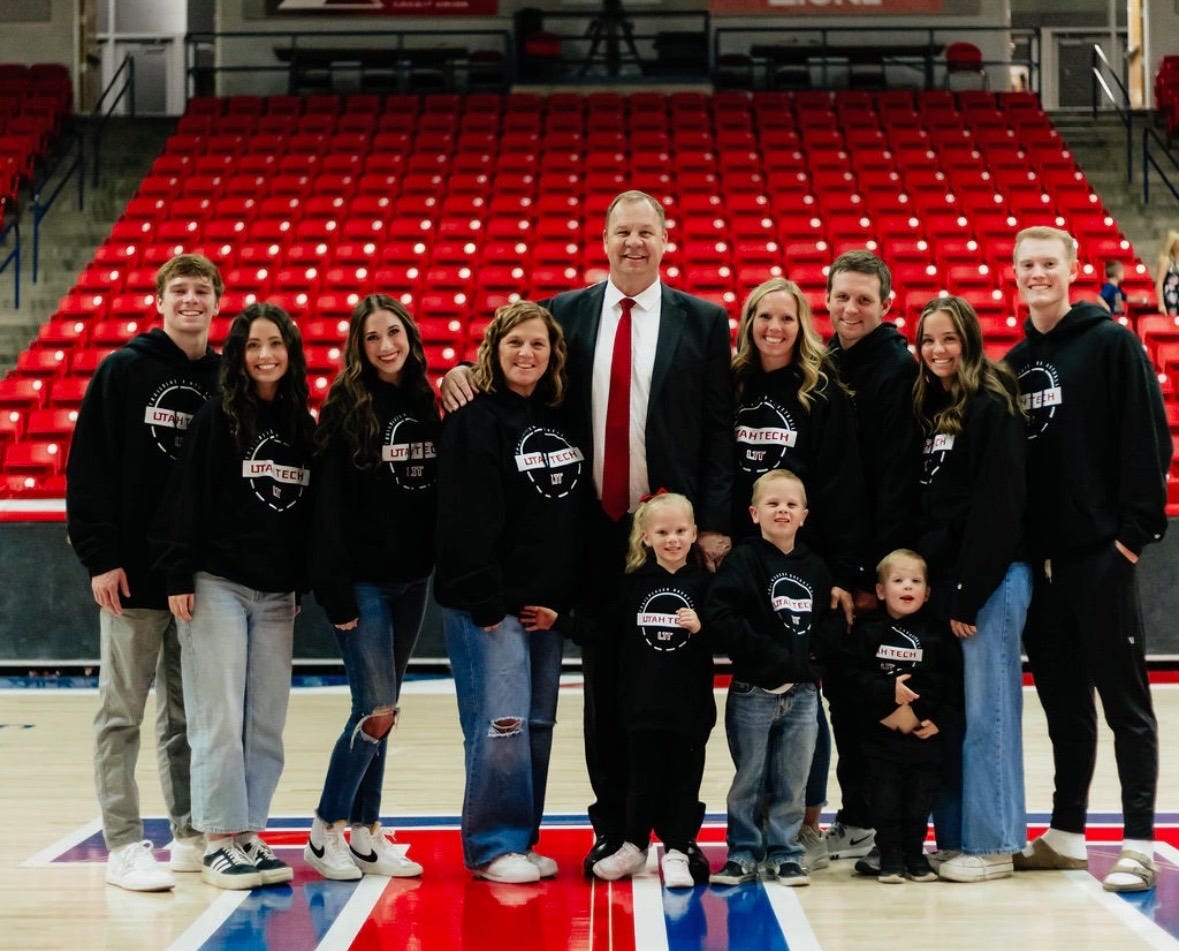
Especially with his wife Lanette and their four children.

“We haven’t bounced around, and I think that’s made a big difference for our family,” Lanette Judkins said.
Culture, he believes, can’t be rushed. It has to be lived.
The Family Cost No One Talks About
When Judkins talks about longevity, he doesn’t start with strategy. He starts with family.
“Coaches’ wives are special,” he said. “It’s a tough gig. There’s no question. You’re gone a lot. It’s not an eight-to-five job. You’re recruiting, you’re traveling, you’re up late all the time.”
That’s why he talks about his wife, Lanette, with such clarity and appreciation.
“She’s my biggest fan by far,” he said. “She loves the game. She loves the guys. She wants to come to every game. If we’re sitting in a hotel, she wants to watch basketball. She’s completely bought into it.”
That buy-in matters.
Go to a Utah Tech ball game, and you might hear someone whistling from behind the Trailblazer bench.
Rest assured, it is Lanette Judkins, in her usual manner, cheering on her husband and his team.
“I could never get his attention, so I just kind of whistled,” Lanette Judkins said. “And he said, ‘I think that’s Lanette.’ And I’ve just kind of continued to do it.”
The whistling is not just to cheer on the Trailblazers; it’s to let her husband know she is there in support of him and to let him know she arrived a little early to the arena.
“I whistle so he knows we’re there. He likes us to be early — he doesn’t like us to be late.”
While early on, coaching wasn’t something they shared, life has a funny way of changing things.
Instead of going overseas to play, where they asked him not to bring his young wife, Judkins instead chose to stay home and get into coaching. And Lanette has been onboard for the journey ever since.
“It really has been the best life,” Lanette said. “I haven’t really known anything different because we’ve done it for so long.”
The grind is mutual. The joy is too.
“If I came home and it was all complaints about how much I’m gone,” Judkins said, “I don’t think I could do this. It would be really hard.”
“I’ve almost been doing this basketball thing with him for almost 40 years,” Lanette said with a smile as she thought about their lives together.
The family has gotten bigger and will continue to get bigger. With a soon-to-be new grandbaby and a soon-to-be new daughter-in-law.
Relationships Matter More Than Records
Judkins wants to win. He expects to win. But when he talks about what’s kept him in the profession, he rarely leads with results.
“I just love the guys,” he said. “I love the relationships. I still talk to a lot of them. I try to go to weddings when I can. I love seeing their kids.”
He recalled moments that never show up in box scores—former players returning to games years later, introducing him to their families.
“I don’t think it’s about the wins and losses as much as the relationships we’ve made,” Lanette Judkins said. “Those people have made our lives so much better.”
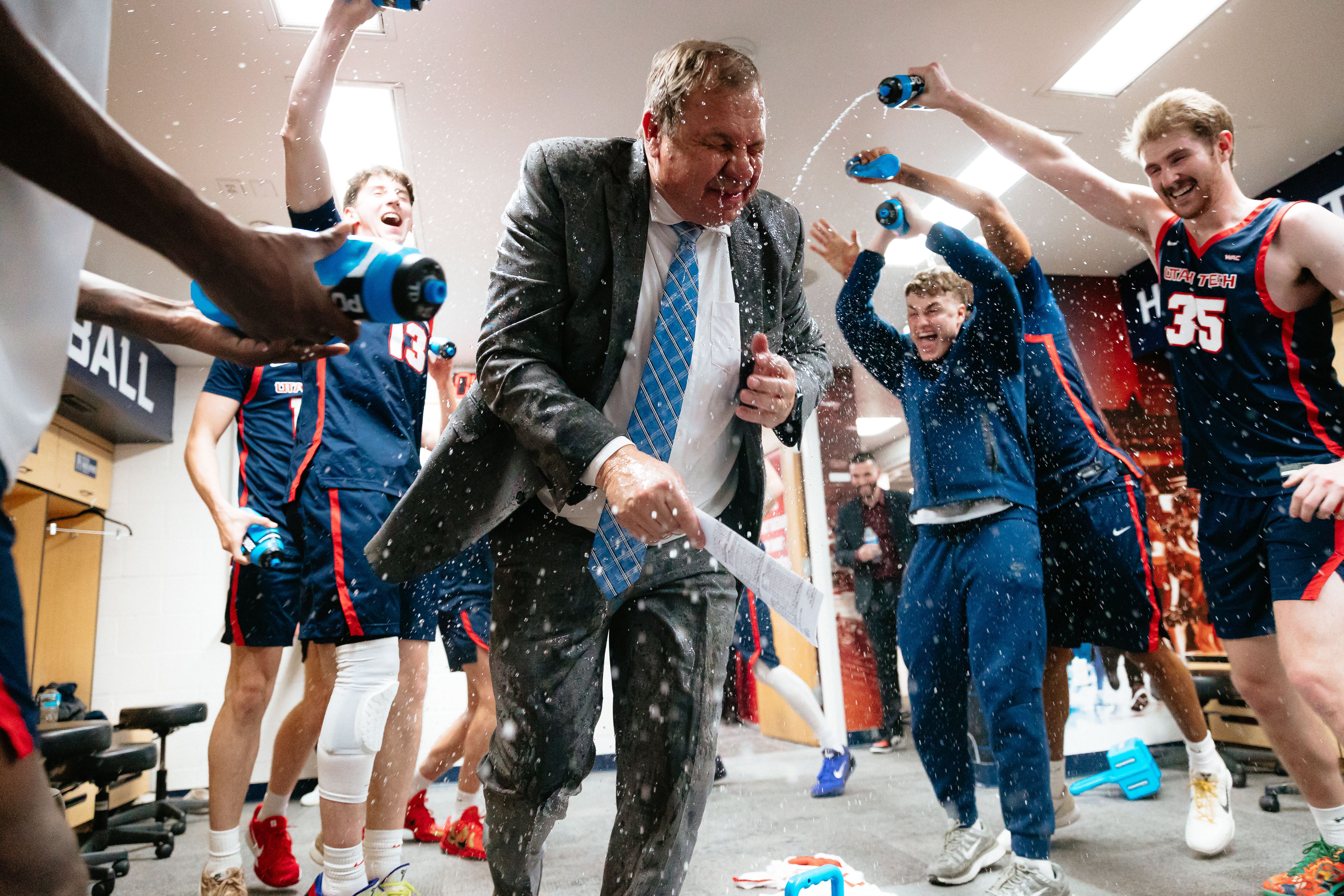
“That stuff means a lot to me,” he said. “It’s not like you come play for me and then you’re gone, and I never talk to you again. I want those relationships to last.”
In an era of constant movement, Judkins still believes coaching is a long-term commitment. His job, as he sees it, is to help young men succeed—not just in basketball, but in life.
The Job Has Never Been Harder
Judkins has coached through nearly every version of college basketball. Nothing compares to the present.
“It’s completely different now,” he said. “You’re recruiting guys to bring them in, and you’re recruiting your own guys to keep them.”
NIL and the transfer portal have reshaped the job. Conversations that once centered on development and fit now often begin elsewhere.
“You call a kid in the portal, and the first thing you hear is about money,” Judkins said. “I don’t blame the kids. I get it. But it’s changed everything.”
What concerns him most isn’t opportunity—it’s structure.
“We need guardrails,” he said. “For the kids, for the coaches, for everybody. Without that, the rich just keep getting richer.”
Loyalty Still Costs Something
Judkins knows his approach isn’t always efficient in the modern game.
“When I offer a kid, it’s because we really want him,” he said. “I don’t want to pull offers or lead people on.”
That philosophy slows things down. It requires patience in a sport that increasingly rewards speed and volume. But for Judkins, credibility still matters. Trust still matters. He believes players deserve honesty, even when it makes recruiting harder.
He understands that not everyone operates that way anymore. He just doesn’t know how to coach any other way.
When Will He Be Done?
Judkins doesn’t think about retirement in terms of age or milestones.
“When I wake up, and I don’t want to go to work anymore,” he said, “that’s when I’ll know.”
That day doesn’t feel close.
“I still love it,” he said. “I love coming to work. I love the game. I love the kids. I love my staff.”
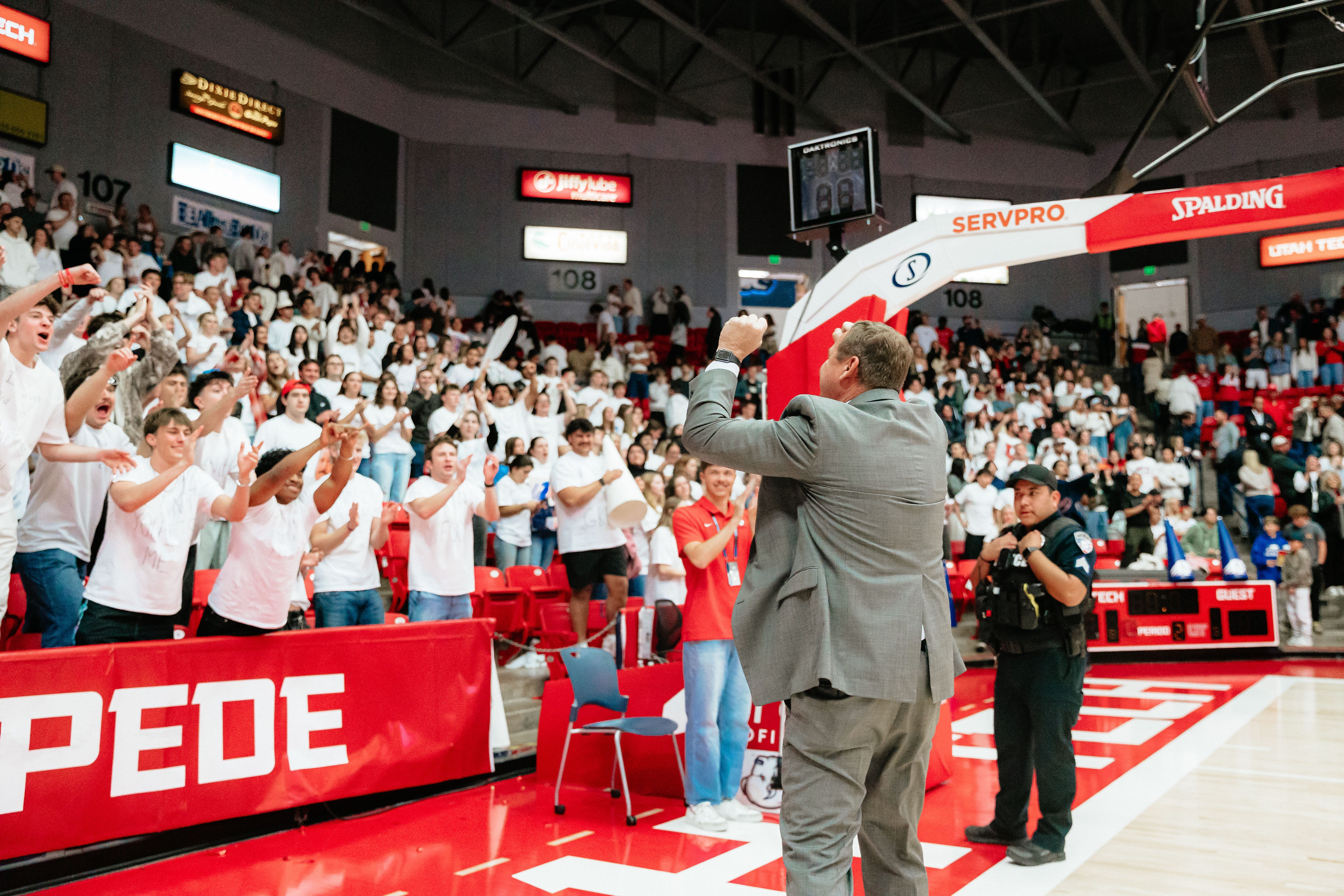
A Quiet Legacy
Ask Jon Judkins about legacy, and he won’t point to banners.
He talks about people.
Former assistants who became head coaches. Players who stayed connected. Programs built patiently, not flipped quickly.
“He’s done a really great job of surrounding himself with good people,” his wife Lanette said. “And I would never want to take that away from him because he loves it so much.”
After more than thirty years, his philosophy remains simple: care about people, do the work, and stay when it would be easier to leave.
For Jon Judkins, that’s the long game—and it’s one he’s still playing.
Great stuff Kyle. Wish we had something like this for the Southland Conference!